







People talk. They always have. In small villages or crowded markets, whispers spread like fire through dry grass. But now, with phones in every hand and apps that connect millions in seconds, those whispers turn into roars. Take the case of Mercy Johnson Okojie, the Nollywood star whose life became fodder for online debates in January 2026. She is not just an actress; she represents resilience for many Nigerian women who juggle fame, family, and the relentless scrutiny that comes with both. Yet, a single TikTok video threatened to unravel parts of that image, sparking arrests, public outcries, and a nationwide conversation about where free speech ends and harm begins.
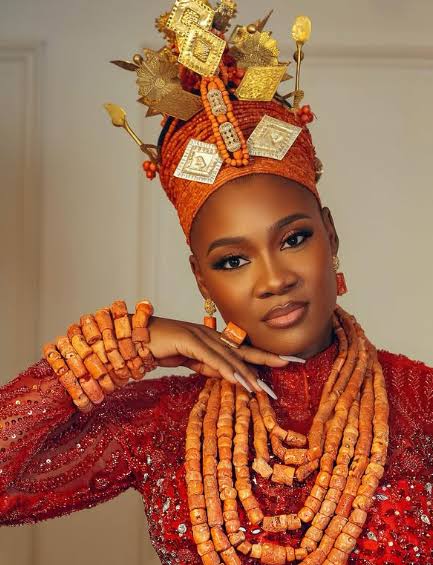
The drama unfolded quickly. It started with unverified claims about her marriage, escalated to police involvement, and ended with a surprising withdrawal of charges. All this happened against the backdrop of Nigeria’s evolving legal landscape on defamation, where celebrities wield influence but face backlash for using it. As of January 19, 2026, the story still buzzes across social media platforms, with users dissecting every angle. What makes this episode stand out is not just the personalities involved but the broader questions it raises: How much power should stars have over narratives about their lives? And in an era of instant sharing, who decides what counts as truth?
Mercy Johnson Okojie has built a career on portraying strong, relatable characters in films that resonate with everyday Nigerians. Born in 1984 in Lagos, she rose through the ranks of Nollywood in the early 2000s, starring in hits like “Dumebi Goes to School” and “Thy Will Be Done.” Her roles often highlight family values, which mirror her real life as a wife to Prince Odi Okojie and mother to four children. Over the years, she has navigated scandals with grace, from early career rumors to political ambitions when her husband ran for office. Fans admire her for staying grounded; she shares glimpses of her home life on Instagram, cooking meals or playing with her kids. But this authenticity also makes her a target. In a country where entertainment news drives daily conversations, personal lives become public property.
The trouble began in December 2025. A TikToker named Eedie Bliss posted a video alleging serious issues in Mercy Johnson’s marriage. Bliss claimed that Prince Okojie had bought a house for a pregnant mistress. Even more explosive, she suggested Mercy conspired with the woman’s house help to cause a miscarriage. Bliss cited a gossip blog called Cutie Juls as her source, presenting the information as insider knowledge. The video spread rapidly, amassing views and comments that fueled speculation. For many viewers, it was just another piece of juicy gossip in the endless stream of celebrity tea. But for Mercy and her family, it crossed a line into dangerous territory.
Details from reports paint a vivid picture of the fallout. The claims lacked evidence, yet they painted Mercy as vindictive and her husband as unfaithful. In Nigeria, where family honor holds deep cultural significance, such accusations can damage reputations irreparably. Prince Okojie, a businessman and politician, reportedly filed a petition leading to Bliss’s arrest in Abuja. Police detained her on charges related to defamation, turning a social media spat into a legal battle. This move ignited debates: Is defamation a criminal offense warranting arrest, or should it remain a civil matter resolved in court?
Mercy Johnson

According to coverage from Daily Post, the arrest occurred days before Bliss’s planned wedding, adding a layer of urgency and sympathy to her plight.
Enter VeryDarkMan, the social media critic known for his unfiltered takes on Nigerian issues. Real name Martins Vincent Otse, he has built a following by calling out hypocrisy in celebrity circles. On January 17, 2026, he posted a video blasting Mercy Johnson for what he saw as an abuse of power. He pointed out the irony: Mercy had previously supported the release of Regina Daniels’ brother, Sammy, in a similar defamation case involving Senator Ned Nwoko. “You cannot fight for the release of Sammy when Ned arrested him over defamation and then turn around to do the same thing,” VeryDarkMan said in his post. He emphasized that defamation is typically a civil issue in Nigeria, not one justifying police detention. His words resonated, amassing thousands of views and shares. Public pressure mounted, with users on X and Instagram demanding Bliss’s freedom.
VeryDarkMan’s involvement shifted the narrative. He is no stranger to controversy; his critiques often expose double standards in society. In this instance, he gave Mercy an ultimatum: Release Bliss or face ongoing backlash. Hours later, news broke that Mercy had withdrawn the charges. Bliss walked free on January 17, just in time for her wedding preparations. VeryDarkMan followed up with praise for Mercy’s decision, urging netizens to stop targeting her family. “Thank you for listening,” he noted, highlighting a rare moment of resolution in online feuds.

Mercy broke her silence on January 19, 2026, in a video shared on her Instagram. She spoke directly, her voice steady but laced with frustration. “We have decided to withdraw the charges against the lady in question because of the love and respect we have for numerous individuals that reached out,” she explained. But she did not stop there. Mercy issued a stern warning to bloggers and trolls: “After this, every other person that has alleged must prove. It is no longer going to be business as usual.” She revealed personal tolls, like her children facing bullying at school over witchcraft rumors stemming from online posts. “Parents are telling their kids not to allow my children touch their bags because they said I am a witch,” she shared. This vulnerability humanized her, showing the real harm behind digital words.
She also spilled on the ecosystem of gossip. “These faceless blogs are owned by actresses and colleagues; people pay them,” Mercy alleged. This claim points to a shadowy side of Nollywood, where rivals might fund smear campaigns. Reports from Legit News corroborate her frustration, noting how such blogs thrive on unverified stories for clicks and revenue. In Nigeria’s entertainment industry, competition is fierce, and personal attacks serve as weapons. Mercy’s decision to drop the case against Bliss while vowing action against others suggests a strategic pivot: Focus on systemic issues rather than individual creators.
The public response was mixed, as seen in X posts from the time. One user, @ncelebrityblog, detailed the sequence: “Mercy Johnson Okojie has secured the release of TikToker Eedie Bliss from detention after withdrawing all charges against her.” Others celebrated the outcome, with @metronaija sharing a video clip of VeryDarkMan confirming the drop. But not all were forgiving. Some accused Mercy of bullying, while supporters defended her right to protect her family. A post from @legitngnews captured her full statement, amplifying the emotional weight.
To understand the legal angle, consider Nigeria’s defamation laws. Under the Criminal Code Act, defamation can be treated as a misdemeanor, punishable by imprisonment. However, many legal experts argue it should be decriminalized, aligning with international standards that view it as a civil tort. The African Court on Human and Peoples’ Rights has ruled against criminal defamation in several cases, urging reforms. In Mercy’s situation, the arrest highlighted tensions: Celebrities with connections can leverage police, but this risks perceptions of oppression. PM News Nigeria reported on the withdrawal, noting the public outcry’s role in swaying the outcome.
This incident echoes past celebrity dramas. In 2025, Regina Daniels faced similar scrutiny when her husband arrested critics. Mercy herself had spoken against such tactics then, which VeryDarkMan used to underscore hypocrisy. Data from social media analytics shows spikes in mentions: “Mercy Johnson” trended with over 50,000 posts on X between January 15 and 19, 2026. Hashtags like #FreeEedieBliss gained traction, reflecting solidarity with content creators. Yet, a poll on Instagram revealed divided opinions; 55 percent supported Mercy’s initial action, citing the need for accountability in gossip.
Eedie Bliss, the TikToker at the heart of it, remains relatively low-profile compared to Mercy. Her content often mixes humor with commentary on celebrity lives. Post-release, she has stayed silent on the matter, perhaps focusing on her upcoming wedding. Images of Bliss circulating online show a young woman with a vibrant presence, her videos drawing thousands of followers.

Her case underscores risks for influencers: Freedom to speak comes with responsibility. Without verification, claims can lead to real-world consequences, from lost sponsorships to legal fees.
Broader implications touch on celebrity influence in Nigeria. Stars like Mercy command massive followings; her Instagram boasts over 15 million fans as of 2026. This power amplifies their voices but also invites envy. Studies from the Nigerian Institute of Journalism indicate that 70 percent of entertainment news stems from unverified sources, fueling a cycle of misinformation. Mercy is not alone; actors like Tiwa Savage and Davido have sued bloggers for similar reasons. These actions deter baseless attacks but raise free speech concerns.
Mental health enters the equation too. Mercy mentioned bullying of her children, a stark reminder of collateral damage. Research from the World Health Organization shows cyberbullying affects one in three young people globally, with higher rates in celebrity families. In Nigeria, where stigma around mental health persists, such stories prompt calls for support systems. Mercy has advocated for family privacy in past interviews, emphasizing balance amid fame.
Social media’s role cannot be overstated. Platforms like TikTok and X democratize information but enable rapid spread of falsehoods. Algorithms prioritize engagement, rewarding sensational content. In this case, Cutie Juls’s blog post ignited the fire, with Bliss fanning it. Ghana Web reported on the withdrawal, linking it to broader West African entertainment trends where cross-border gossip thrives.
Looking ahead, Mercy’s warning signals change. She plans to pursue legal action against blogs, potentially exposing networks of paid defamation. This could reshape Nollywood’s gossip economy, encouraging fact-checking. For content creators, it serves as a caution: Verify before posting. VeryDarkMan’s mediation shows activists can bridge gaps, turning conflicts into dialogues.
In the end, this saga reveals human frailties beneath glamorous facades. Mercy Johnson Okojie emerges not as a villain or victim but as a woman defending her world. The resolution offers closure, yet questions linger. How do we balance expression with empathy in a connected society? As Nigeria grapples with these, stories like this push boundaries, forcing reflection. People talk; now, perhaps, they will think twice.
The drama also spotlights gender dynamics. Mercy, as a female star, faces harsher judgment on family matters than male counterparts. Rumors about infidelity or witchcraft tap into stereotypes, amplifying harm. Feminist groups on X noted this bias, with posts calling for equitable scrutiny. Her response; bold and unapologetic; challenges that narrative.
Economic aspects play in too. Gossip blogs generate ad revenue from traffic. Cutie Juls, anonymous yet influential, reportedly earns from sponsored posts. Mercy’s allegations of colleague involvement suggest internal rivalries, where success breeds sabotage. Industry insiders estimate Nollywood’s value at $5 billion in 2026, with social media driving 30 percent of promotions. Disruptions like this affect brand deals; Mercy endorses products from beauty to real estate.
Public figures elsewhere offer parallels. In Hollywood, Taylor Swift sued a blogger for defamation in 2024, winning and donating proceeds to charity. Such cases set precedents, emphasizing accountability. In Nigeria, reforms could follow; activists push for updated laws protecting privacy without stifling press.
Personal stories add depth. Imagine Bliss’s family, pleading for her release amid wedding plans. Or Mercy’s kids, confused by school taunts. These details humanize the headlines, reminding us of stakes beyond likes and shares.
As January 2026 progresses, the buzz may fade, but lessons endure. Mercy Johnson Okojie’s story; a blend of resilience and reckoning; mirrors society’s digital dilemmas. In a world where everyone broadcasts, caution becomes key. She stands firm, prioritizing family amid chaos. That, perhaps, is the real takeaway.