




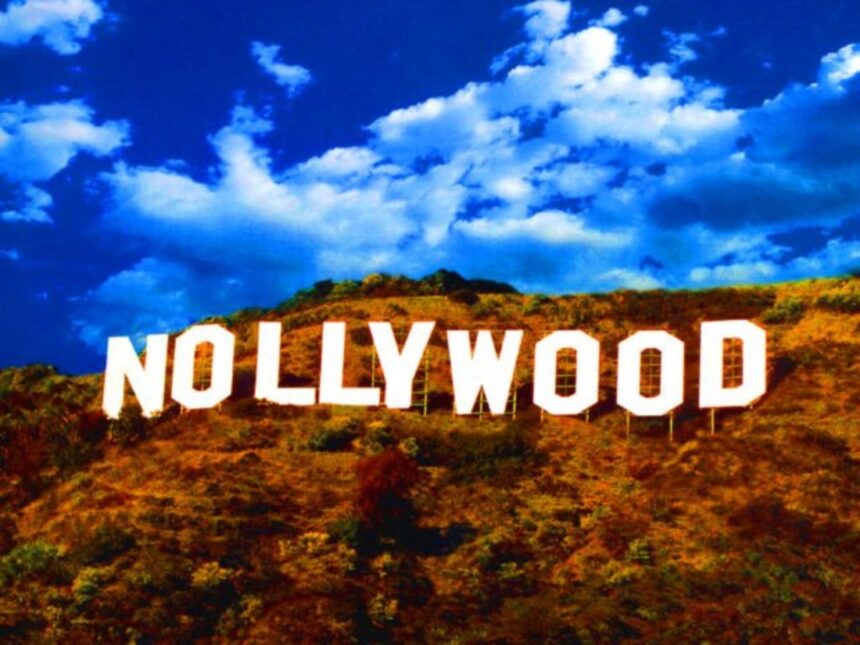
In Seoul, fans queue at 4 a.m. for Squid Game pop-up cafés. In Mumbai, Shah Rukh Khan’s birthday shuts down traffic. In Los Angeles, Marvel drops a trailer and the internet melts. These aren’t just movies — they’re cultures. Fandoms with merch, cosplay, fan fiction, and global meetups.
Now look at Nollywood. Aníkúlápó breaks Netflix records in Brazil. The Wedding Party trends in Jamaica. Genevieve Nnaji walks the Oscars red carpet. But where are the Nollywood stan accounts with 2 million followers? The fan cams? The lightsticks?
Can Nollywood build a global fan culture — not just viewers, but obsessed fans? The answer isn’t a simple yes or no. It’s a roadmap. And the path is already being paved — quietly, chaotically, and with pure Naija hustle.
The Blueprint: What K-Drama, Bollywood, and Hollywood Got Right
To understand this, examine what K-drama, Bollywood, and Hollywood have mastered. K-drama thrives on iconic stars like Lee Min-ho, who function as global brands, supported by platforms such as Viki and Weverse for fan subtitles and interactions. Bollywood builds on family dynasties like the Khans, with longstanding fan clubs dating back to the 1990s. Hollywood leverages narrative universes in franchises like the MCU or Star Wars, amplified by events such as Comic-Con and widespread Reddit communities. All three emphasize merchandise, live events, and accessible languages through quick subtitles or universal English.
Nollywood, by contrast, features beloved stars like Genevieve, Ramsey Nouah, and Funke Akindele, but they have not yet achieved comparable global branding. Fan infrastructure remains fragmented, often limited to informal WhatsApp or Facebook groups rather than centralized apps. Merchandise and major events are scarce, with few sequels creating shared worlds, and subtitles, while improving, lag in speed and reach. This gap highlights Nollywood’s need to invest in star-building and digital ecosystems to foster deeper engagement.
Nollywood’s Advantage: Chaos as Fuel
Nollywood’s edge lies in its inherent chaos, which could fuel explosive growth. Unlike Hollywood’s century-old studio system, Bollywood’s familial empires, or K-drama’s government-backed Hallyu Wave, Nollywood emerged in 1992 with Living in Bondage on VHS, driven by sheer entrepreneurship without formal support. This results in unmatched volume, producing over 2,500 films annually, far exceeding the combined output of Bollywood and Hollywood.
Production speed is another strength, turning scripts into screens in weeks rather than years. The stories themselves offer raw relatability, drawing on themes of family, betrayal, hustle, and faith that echo universally from Lagos to London to São Paulo. Backed by a diaspora of 17 million Nigerians abroad, who serve as natural promoters, Nollywood has a ready-made global network. This agility could outpace more structured rivals if channeled into fan-building initiatives.
The Global Fanbase Already Forming
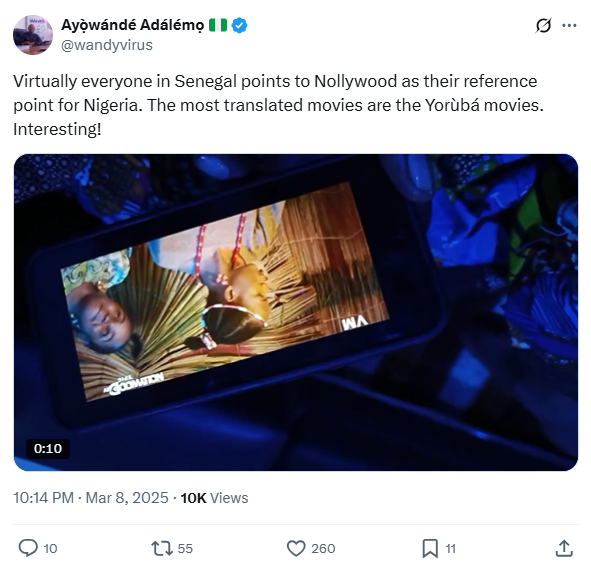
In Senegal, locals reference Nollywood as their window to Nigeria, especially Yoruba movies.
https://x.com/wandyvirus/status/1898497485871403500
Evidence of an emerging global fanbase appears in unexpected places. In Brazil, TikTok users create duets of King of Boys scenes, amassing millions of views under hashtags like NollywoodBrasil. Jamaica sees dancehall artists remixing Nollywood soundtracks, with challenges like those from Omo Ghetto going viral. The Philippines hosts Facebook groups with tens of thousands of members dedicated to fan-subtitling Yoruba epics. Even before recent conflicts, Ukraine’s markets saw Nollywood DVDs outselling Bollywood counterparts, according to local distributors. These behaviors go beyond casual watching; fans actively translate, remix, and debate content, signaling organic growth that Nollywood could amplify through targeted strategies.
The Roadmap: A Five-Year Plan to Build Fandom
Building this into a sustained culture demands a phased approach over the next five years. Start with creating icons by launching a Nollywood All-Stars series, featuring a rotating cast like Ramsey Nouah, Funke Akindele, and Odunlade Adekola in a shared universe, such as a heist trilogy with crossovers. Collaborate with fashion brands for red-carpet visibility.
Next, develop an ecosystem through an annual NollyCon fan festival in cities like Lagos, London, and Atlanta, including cosplay and subtitler panels. Introduce a NollyVerse app for fan subtitles, live watch parties, and a merch store rewarding contributors with exclusive access. Then, harness algorithms with short-form TikTok recaps of classics, AI-powered real-time dubbing into languages like Portuguese, and Netflix co-productions for bilingual series. Finally, export the culture via world tours of live stage adaptations in Dubai, Toronto, and São Paulo, while scouting international talent for cross-cultural roles, building on successes like Namaste Wahala.
Overcoming Key Obstacles
Challenges persist, but solutions are within reach. Piracy accounts for a significant portion of views, yet it could be reframed by compensating top uploaders to include official links and watermarks, converting them into promoters. The stigma around lower-budget Asabawood productions undermines quality perceptions, which could be addressed by allocating a portion of Netflix earnings to prestige projects annually. Language barriers, stemming from Nigeria’s over 500 dialects, might be mitigated by prioritizing English alongside major languages like Yoruba, Igbo, and Hausa, with professional subtitles. The absence of a centralized studio system leaves production fragmented, but establishing a NollyHub as co-working spaces in key cities like Lagos, Abuja, and Enugu could foster collaboration.
The Spark: One Film to Ignite Everything
One breakthrough film could ignite everything. Envision 2027’s The Return of Esu, a Nollywood-Hollywood collaboration directed by Kunle Afolayan, starring Ramsey Nouah and Michael B. Jordan, filmed across Lagos and Atlanta, with a soundtrack featuring Burna Boy and Megan Thee Stallion. Upon its Netflix debut, hashtags trend across dozens of countries, fan edits explode on TikTok, and official merchandise sells out. This scenario illustrates how a single high-profile project could serve as the catalyst, propelling Nollywood into mainstream fandom.
Final Analysis: Yes, But on Nollywood’s Terms
In analysis, Nollywood’s prospects are promising but hinge on adaptation rather than imitation. It cannot replicate KCON or Comic-Con exactly; instead, it must embrace its messy, loud, and unapologetic style, leveraging platforms like WhatsApp and TikTok for authentic vibes. Fans already populate comment sections debating King of Boys supremacy, dubbing Omo Ghetto into local dialects, and cosplaying characters in distant cities. This grassroots energy suggests Nollywood is poised for a cultural explosion. With strategic investments in icons, infrastructure, and global outreach, it could rival the fan cultures of its counterparts. The spark exists; igniting it fully will transform viewers into a worldwide community, proving African storytelling’s universal appeal.
Let’s discuss in the comments: Which Nollywood star deserves the first major global fandom? Genevieve? Odunlade? Funke? Share your thoughts.