





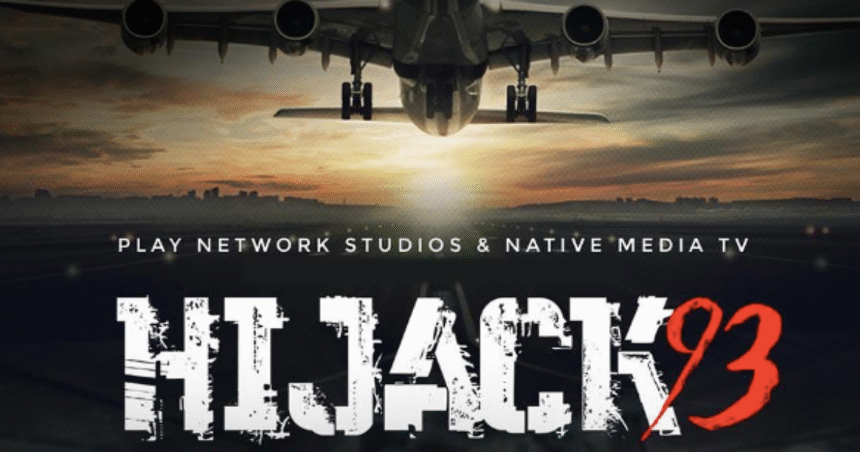
The Netflix film Hijack 93 came out in 2024. It tells a story based on a real event from Nigeria in 1993. Four young men take over a plane to protest against the government. The movie tries to show what happened, but it does not do a good job. Many parts feel weak.
Plot Summary
The story happens in 1993. Nigeria has a military government at that time. Four young men board a Nigerian Airways flight from Lagos to Abuja. They are Omar, Kayode, Ben, and Dayo. These names are made up for the film. The men are part of a group against the government. They want change after an election gets canceled. Soon after the plane takes off, the men pull out guns. They take control of the aircraft. They tell the pilots to fly to another country. The plane has many passengers. Some are important people. The hijackers want the government to step down. They hold everyone hostage to make their point. The plane lands in a nearby country because of low fuel. Talks start between the hijackers and officials. Women and children get let go first. The story shows how the men deal with problems inside the plane. It also shows what happens outside with the government. The film adds some made-up parts, like fights among passengers. It does not show the full three days of the real event. Instead, it focuses on talks and small conflicts. No big spoilers here, but the end comes after a long wait with no real action.
The plot tries to mix history with drama, but it feels flat. It does not build much suspense. The real hijack was done by teenagers who wanted to protest the annulment of the 1993 election won by MKO Abiola. General Ibrahim Babangida canceled it, and Sani Abacha was defense minister. The film touches on that, but not in detail. It uses toy guns in the real story, but shows real ones here. This changes the tone. The plane was an Airbus A310 with 132 passengers and 11 crew. The film makes it a Boeing 747, which is not right. Small changes like this hurt the story. The plot starts strong with the takeover, but then it slows down. Scenes repeat with people talking too much. No sense of time passing. One hijacker says it has been days, but viewers do not feel it. The film runs for about 90 minutes. That short time does not help show the full event. It skips key parts like how the men planned it. The real hijackers were Richard Ogunderu, Kabir Adenuga, Benneth Oluwadaisi, and Kenny Rasaq-Lawal. They were teens aged 16 to 18. The film makes them older and adds personal stories that do not fit well. Overall, the plot summary is simple: a group takes a plane to fight for democracy, but things go wrong. It could have been more, but it stays basic.
Character Analysis
The four main characters are the hijackers. Omar, played by Nnamdi Agbo, is the leader. He goes by Skipper. He tries to keep things calm. He talks a lot about the cause. But the film does not show why he cares so much. We get no deep look into his life before the hijack. Kayode, played by Adam Garba, is Eruku. He is the artistic one. He falls for a passenger right away. This subplot takes time but adds nothing. Why does he think about romance during a serious act? It makes him seem not focused. Ben, played by Allison Emmanuel, is Owiwi. He is the hot-headed one. He pulls the gun first. A flashback shows his father hit him. Then Mallam Jerry takes him in. But this does not explain how he ends up hijacking a plane. It feels like a quick way to give him a reason. Dayo, played by Oluwaseyi Akinsola, is Iku. He is the quiet one. He eats food on the plane and cries in the toilet at one point. This shows he is scared, but it comes out of nowhere. The characters have no clear goals beyond the hijack.
They argue among themselves. This shows they are not ready. But it does not make viewers care. The film says they are part of the Movement for the Advancement of Democracy. Mallam Jerry, played by Sam Dede, is their teacher. He picks them for the job. He talks about revolution. But he stays back and watches TV. Why not lead if he cares? This makes him seem lazy. On the plane, there are crew and passengers. Sharon Ooja plays Ada, an air hostess. She helps the hijackers. But no reason why. Nancy Isime is Iyabo, another hostess. She tries to calm people. Jemima Osunde is Temitope, and Idia Aisien is Ese. They do basic roles. Captain Ambrose, played by John Dumelo, is the pilot. He talks with the hijackers. Captain Odion, by Efa Iwara, helps. Bob Manuel Udokwu plays Lieutenant Dokunbo. He leads the rescue.
Other passengers include a reverend sister, a doctor, and the son of the Chinese ambassador. They add small talks. Some argue about tribes. This feels like a way to fill time. No one stands out. The characters are thin. They act on weak reasons. The film does not show the fear under military rule. Young viewers may not get why the men risk it all. In real life, the hijackers wanted to highlight the election cancel. They aimed for Frankfurt to speak out. The film makes it personal. This hurts the depth. Characters talk a lot but say little. No growth happens. They start eager and end the same. Ben stays angry. Kayode stays soft. No change. This makes the story boring. Good characters need reasons and growth. Here, they lack both.
Acting Performances
The acting is mixed. The four hijackers try hard. Nnamdi Agbo as Omar shows leadership. He speaks clear. But his lines are simple. He does not show deep emotion. Adam Garba as Kayode has a romance part. He looks at the girl a lot. But it feels fake. Allison Emmanuel as Ben is the best of them. He shows anger well. His hot head comes through. Oluwaseyi Akinsola as Dayo cries in one scene. It shows fear. These are new actors. They show promise. But the script holds them back. They cannot add much to weak roles.
Sam Dede as Mallam Jerry is okay. He gives speeches. But he does not act much. He sits and talks. Sharon Ooja as Ada helps the men. She looks calm. But no reason shows in her face. Nancy Isime as Iyabo tries to help passengers. She speaks soft. John Dumelo as Captain Ambrose argues with the hijackers. He shows frustration. Efa Iwara as Captain Odion supports him. Bob Manuel Udokwu as Lieutenant Dokunbo leads outside. He gives orders. These known actors do basic work. But nothing stands out. The passengers act scared at first. Then they sit and talk. No real fear shows. One review says 90 percent of the acting is subpar. Actors look aimless. They do not react like real people in danger. No sweat or shakes. Just words. The newcomers bring some energy. Allison Emmanuel and Oluwaseyi Akinsola have good moments. They make the fear real. But overall, the acting feels flat. No one gives a big performance. The script has banal lines. Actors say them with no heart. In a thriller, acting needs to build tension.
Here, it does not. Passengers argue about small things. It feels like bad improv. The film has a good cast. Names like Nancy Isime and Sharon Ooja draw viewers. But they get little to do. John Dumelo adds some weight. But he cannot save it. User reviews say the acting is mediocre. No realism in fear. Hijackers talk more than act. This hurts the flow. Good acting could fix some plot issues. But here, it adds to the problems. The newcomers may do better in other films. They show skill despite the limits.
Technical Aspects
The film has issues in many technical parts. Direction by Robert O. Peters does not build tension. The hijack starts fast. But then it slows. Scenes drag with talks. No urgency. Peters has done other films like Thirty Pieces in Atlanta. Here, he misses the mark. The story needs pace. It gets none. Cinematography is basic. Shots show the plane inside a lot. Close ups on faces.
But no wide views to show the scale. The plane looks small. In real life, it had over 100 people. Here, it feels empty. Lighting is okay. But colors are dull. No 1993 feel. Props are wrong. Army uses Toyota Hilux trucks. But in 1993, they used other trucks. Helmets are modern ballistic ones, not steel. Jackets are wrong too. Guns look new. Clothes and food do not match the time. This breaks the history. Editing by Johan Venter is poor. Scenes jump with no flow. Backstories come in flashbacks. They slow the action. Cuts feel abrupt. Sound by Gray Jones Ossai is bad. Mixing has issues. Audio jumps loud to soft. Dialogue is hard to hear at times. Viewers strain to listen. Music is simple.
It plays in tense parts. But it does not add much. Special effects are decent. The plane landing looks real. But no big action needs more. Production values are passable. Play Network Studios spends money. But it shows in wrong places. The film looks like a TV movie. Not a big thriller. Technical parts could teach about 1993. But errors hurt that. Overall, they make the film feel cheap. Good tech could lift the story. Here, it pulls it down.

Strengths and Weaknesses
The film has some strengths. It tries to tell a forgotten story. The 1993 hijack is part of Nigeria history. Few know it now. The movie brings it back. Play Network Studios likes history films. They did Living in Bondage reboot. This fits their style. The cast has talent. New actors show potential. Some scenes have tension. Like when the gun goes off by mistake. It shocks a bit. The film got views on Netflix. It had 3.2 million in the first week. By week two, 7.3 million. It ranked high in many countries. This shows interest in Nigerian stories. The short runtime helps. It does not drag too long. Some humor works. Like a joke about dentists. It lightens the mood. The film touches on themes like protest and government. It could start talks. But weaknesses are more. The plot lacks depth. It does not show the real motives well. Hijackers wanted democracy after the election cancel. The film makes it vague. Characters have no empathy. Viewers do not root for them. Scenes feel disconnected. No stakes. The hijack lasts days, but no time feel. Historical errors hurt. Like wrong props and setting. It feels modern, not 1993. Acting suffers from bad script. No thrill in a thriller. Too much talk, no action.
The disclaimer says it is fiction. But it takes too much liberty. Real event had no deaths. Film adds one for shock. This changes the truth. The tone shifts odd. Like crying in toilet or tribe arguments. It feels like filler. The film misses education. It could explain Babangida era. But it skips. Pacing is repetitive. Backstories do not connect. Overall, weaknesses win. It is a clumsy take on events. Strengths are few. It needs better writing and care.
Verdict:
4/10