






In early 2026, Nollywood stands at a crossroads that feels both familiar and fresh. For years, the Nigerian film industry rode high on partnerships with global streaming giants, Netflix chief among them. Those deals brought international eyes, bigger budgets, and a sense of validation to stories rooted in Nigerian life. Yet, by late 2024, the relationship soured. Netflix announced it would no longer commission original Nigerian productions, halting acquisitions and funding that had fueled a wave of projects. This move echoed similar pullbacks from Amazon Prime Video, leaving filmmakers scrambling. What followed was not collapse, but a deliberate turn inward. Nigerian creators began prioritizing theatrical releases and local platforms such as Showmax and IrokoTV, marking a shift away from dependence on Silicon Valley’s algorithms and revenue models.
This pivot reflects a broader push for self-reliance in an industry that produces over 2,500 films annually, making it the second-largest film producer globally by volume. Revenue figures tell part of the story; Nollywood’s box office hit N11.5 billion in 2024, surging to N11.3 billion by October 2025 alone, driven by cinema releases that drew local audiences back to theaters. Projections for 2026 suggest even stronger growth, with the sector potentially generating up to $14.82 billion overall, including exports. Beyond numbers, this change signals a cultural reclamation, often termed the decolonization of distribution; a process where African storytellers reclaim control over how their work reaches viewers, free from foreign gatekeepers who prioritize global metrics over local resonance.
Why Nollywood is Outgrowing Netflix: The 2026 Cinema Revolution
The Netflix chapter began with promise. In 2018, Genevieve Nnaji’s “Lionheart” became Netflix’s first Nigerian original, sold for $3.8 million, catapulting Nollywood into the streaming spotlight. More deals followed, with investments reaching $23.6 million in Nigeria by 2023, though far less than the $125 million poured into South Africa. Films like Kunle Afolayan’s “Anikulapo” and Kemi Adetiba’s “King of Boys” series gained worldwide viewership, blending Nigerian narratives with high production values. For many filmmakers, these partnerships meant access to resources that elevated storytelling; better equipment, international marketing, and data-driven insights into audience preferences.
However, cracks appeared as Netflix’s global strategy shifted. Subscriber declines and cost-cutting led to a reevaluation of regional investments. By November 2024, the platform ceased commissioning Nigerian content, opting instead for licensing deals that shared revenue but offered less upfront support. This wasn’t isolated; Amazon Prime had already withdrawn from African originals earlier that year. Filmmakers like Jay Jituboh voiced frustrations, noting how the pullback disrupted ongoing projects and forced a rethink of funding models. In 2025, Netflix’s presence in Nollywood shrank dramatically, with only a handful of post-theatrical titles like “Ada Omo” making it to the platform. The result? A sense of betrayal among creators who had tailored stories to fit Netflix’s “casual viewing” categories, where characters announce actions for distracted viewers.
This friction exposed deeper issues. Global streamers often reinvested Nigerian-generated revenue into other markets, creating an uneven playing field. South Africa, with its infrastructure and incentives, drew more productions, leaving Nigeria lagging despite its prolific output. For Nollywood, the decolonization of distribution became a rallying cry. Scholars and industry voices, drawing from Frantz Fanon’s ideas on post-colonial independence, argued that true creative freedom requires controlling the means of circulation. As one UNESCO report highlighted, the best African films rarely reach African audiences due to foreign-dominated distribution networks. In Nigeria, this meant breaking free from algorithms that favored “micro-genres” over cultural authenticity.
Enter the theatrical resurgence. In 2025, Nigerian cinemas grossed $2.25 million in the first quarter alone, with full-year figures climbing to N10.03 billion by August, despite only 1.84 million tickets sold. This growth stemmed from a deliberate strategy; filmmakers like Funke Akindele and Mo Abudu focused on big-screen releases that capitalized on local hype. Akindele’s “A Tribe Called Judah” shattered records in 2024, and similar hits in 2025 drew crowds eager for communal viewing experiences. Theaters offered something streamers couldn’t; immediate feedback, word-of-mouth buzz, and revenue from ticket sales that stayed within Nigeria.
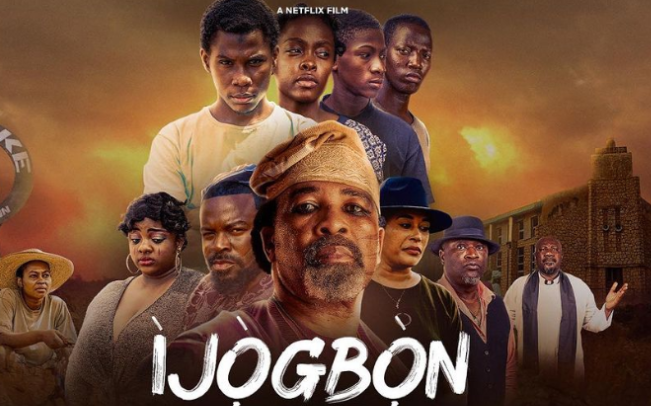
Data from FilmOne, a major distributor, showed the box office exceeding 2024 totals by October 2025, aiming for N15 billion by year’s end. This pivot addressed Nollywood’s “opening weekend” problem, where films struggled to build momentum without strong marketing. Independent projects, financed through private investors and diaspora remittances, stretched budgets from script to screen, ensuring creators retained more control. One example is the rise of films like “Ijogbon,” which blended tradition and thriller elements, premiering theatrically before any streaming deals. By 2026, projections indicate box office revenue could reach $7.39 million, with annual growth rates of 5-7% through 2030.
Parallel to this, local platforms have surged as viable alternatives. Showmax, owned by MultiChoice, expanded its Nollywood library in 2025, offering curated content tailored to African viewers. With affordable subscriptions and mobile-friendly access, it filled the gap left by Netflix, emphasizing series and films that resonate regionally. IrokoTV, founded by Jason Njoku, played a pivotal role too; despite challenges like a partial shutdown in 2025 due to distribution hurdles, it rebounded by focusing on on-demand Nollywood titles. Njoku’s platform pioneered digital access for diaspora audiences, and by 2026, it’s positioned to capture more market share with exclusive releases.
New entrants like Kava, a joint venture launching in August 2025, promise even more; a library backed by scale and strategy to save Nollywood from streaming dependency. These platforms allow filmmakers to negotiate better terms, retaining rights and earning from ad revenue or pay-per-view models. YouTube has emerged as a democratizing force, with creators like Deyemi Okanlawon praising its ease and monetization. Channels like Isbae U’s “Curiosity Made Me Ask” racked up millions of views, proving that direct-to-audience distribution can rival streamer deals. In essence, these shifts embody the decolonization of distribution; moving from foreign validation to homegrown ecosystems that prioritize African stories for African people.
Challenges persist, of course. Infrastructure gaps, such as limited theaters outside major cities like Lagos and Abuja, hinder widespread access. Piracy remains a thorn, siphoning potential earnings. Funding is another hurdle; without streamer cash, filmmakers turn to crowdfunding, bank loans, or personal networks, which can limit scale. Yet, opportunities abound. The diaspora market, valued at billions, hungers for authentic content, and export revenues could hit $1 billion in the next three years. Initiatives like the Reel Connections Summit in 2026 aim to bridge Nollywood with global hubs, fostering collaborations on Nigerian terms.
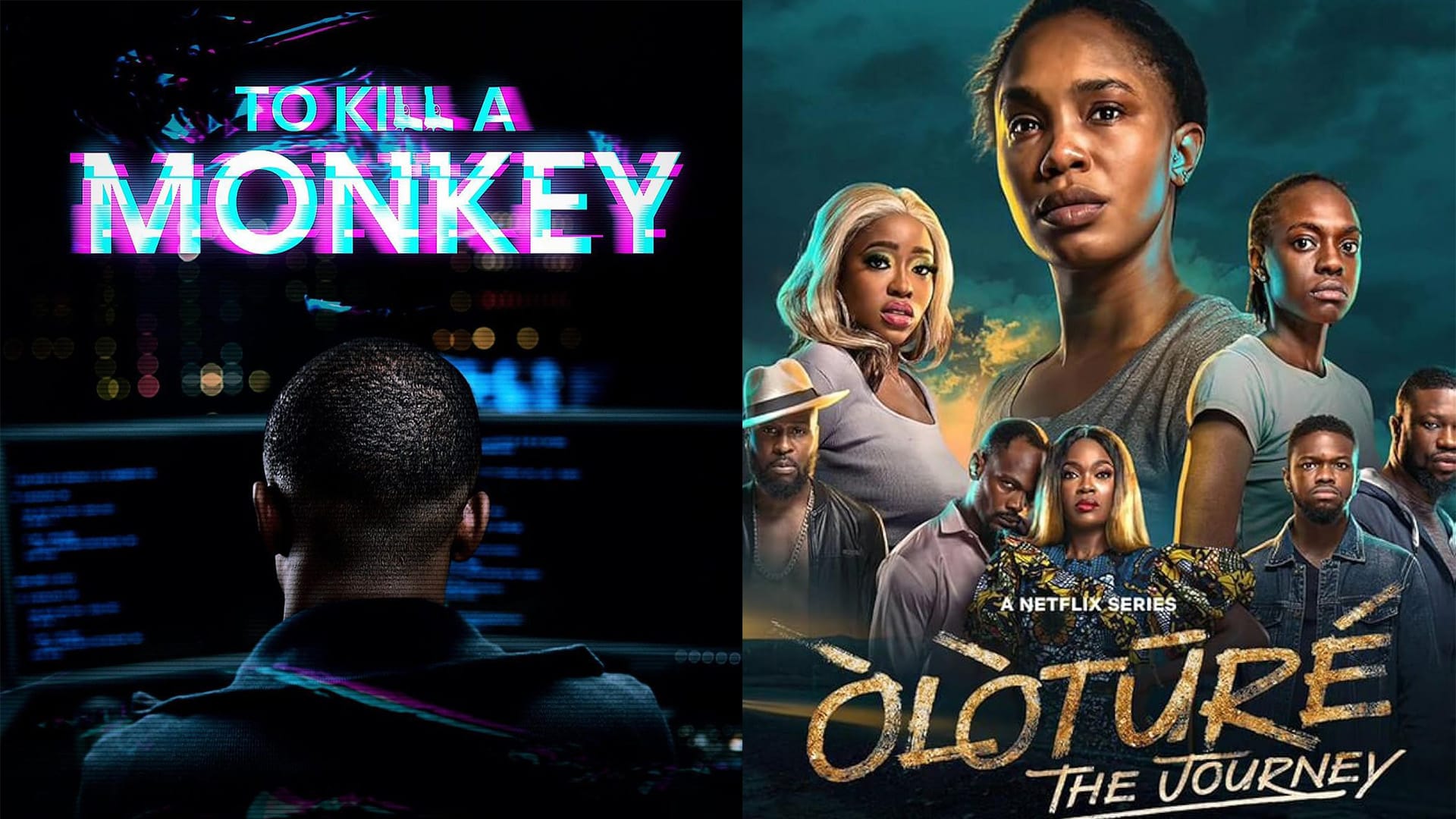
Voices from the industry underscore this transformation. Audu Maikori, a Nollywood stakeholder, called the streamer retreat a “once-in-a-generation opportunity” to build sustainable structures. Filmmakers like Kemi Adetiba, with her “To Kill a Monkey” series, have embraced hybrid models; theatrical first, then local streaming. Even social media buzz, from X posts to Instagram reels, amplifies releases, as seen in discussions around Femi Adebayo’s projects.
Looking ahead, 2026 could solidify Nollywood’s independence. With box office projections climbing and local platforms maturing, the industry is poised to export not just films, but a model of cultural sovereignty. The decolonization of distribution isn’t just rhetoric; it’s action, rooted in the resilience that has defined Nigerian cinema since its video boom in the 1990s. As global streamers recalibrate, Nollywood rebuilds on its own foundation, ensuring stories of everyday struggles, triumphs, and traditions find their audience without compromise.
This pivot extends beyond economics to identity. Films now explore themes like tradition versus modernity, as in “Ijogbon,” or power dynamics in relationships, critiqued in recent reviews. By controlling distribution, creators avoid diluting narratives for “casual viewing” abroad. Instead, they craft for engaged locals, fostering a cycle where revenue funds more diverse projects.
Critics argue this inward turn risks isolation, but evidence suggests otherwise. Partnerships with Hollywood persist, like the 2026 project blending Nollywood and U.S. talent. The key difference? These are equal collaborations, not dependencies. Moreover, digital tools enable global reach; YouTube alone hosts Nollywood content viewed by millions worldwide.
In education and policy, calls grow for film cities in regions like Igbo land, leveraging cultural richness for production hubs. Government incentives, similar to South Africa’s, could boost this; tax breaks for local distribution, grants for theaters. Already, the Nigerian Film Corporation advocates for such measures to sustain growth.
Personal stories humanize the shift. Take a young director staking on Solana tokens for funding, blending crypto with creativity to bypass traditional financiers. Or veteran producers like Ogoo Umeadi, emphasizing language skills for broader markets while rooting in local tales. These anecdotes reveal an industry adapting with grit.
Ultimately, the post-streaming era redefines success. No longer measured by Netflix views, it’s about sustainable impact; jobs created (Nollywood employs over a million), cultural export, and audience ownership. As 2026 unfolds, watch for milestones like Kava’s full rollout or FilmOne’s N15 billion target. The decolonization of distribution is underway, turning a setback into a stride forward.