




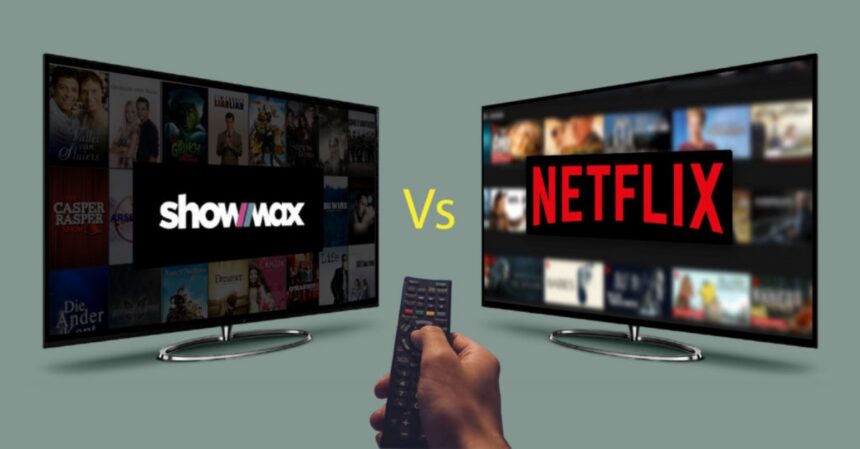
The streaming wars have heated up across Africa, with two giants squaring off in a fierce content showdown. Netflix, the American powerhouse that burst onto the scene a decade ago, now faces stiff competition from Showmax, the homegrown service that’s carved out a loyal following by betting big on local stories. This isn’t just about who has more subscribers or flashier interfaces; it’s a clash over what African audiences really want to watch. As we hit early 2026, Netflix has rolled out its ambitious African slate, spotlighting titles like the Nigerian epic Aníkúlápó’s return and the feel-good Nigerian series Yoh! Bestie. On the flip side, Showmax counters with gritty local dramas such as The Split, a tale of banking intrigue and betrayal, and Supernowa, which dives into the world of a young prodigy navigating hidden talents. These offerings highlight how both platforms are scrambling to capture hearts, minds, and wallets in a market projected to explode from 8 million paying subscribers in 2023 to 18 million by 2029, according to Digital TV Research data. The battle lines are drawn, and the stakes couldn’t be higher.
Showmax
Think back to how this all started. Netflix launched across Africa in January 2016, promising a world of global hits mixed with emerging local voices. At first, it was a bold move; the platform poured in $175 million between 2016 and 2022 on content from South Africa, Nigeria, and Kenya, building a foundation that included early successes like Blood & Water and Queen Sono. But Africa isn’t a monolith. Internet access varies wildly, data costs bite hard, and viewers crave stories that reflect their daily lives, not just Hollywood gloss. Enter Showmax, launched in 2015 by South Africa’s MultiChoice Group. It started small, focusing on the continent’s southern tip, but quickly expanded to 44 countries by emphasizing affordable plans and hyper-local content. By late 2023, Showmax had edged out Netflix with 2.1 million subscribers to Netflix’s 1.8 million, per Omdia research. That lead came from smart plays like slashing prices by nearly 50% in 2024 and partnering with telcos for easy billing via mobile money services like M-Pesa. Netflix, meanwhile, has fought back with bundling deals, such as its 2025 tie-up with Canal+ to reach 8.2 million pay-TV households in French-speaking Africa, potentially boosting its sub-Saharan base from 4.5 million.
Fast forward to 2026, and Netflix’s strategy shines through its African lineup. The platform has doubled down on “local first,” as executives like Dorothy Ghettuba have put it, aiming to turn Africa into a creative hub for stories that travel worldwide. This year, they’re blending mythology, romance, and reality TV to appeal across borders. Take Aníkúlápó: The Ghoul Awakens, the second season of Kunle Afolayan’s gripping Nigerian folklore drama. Premiering on January 30, it picks up where the 2022 film left off, delving deeper into themes of power, loyalty, and the supernatural in a pre-colonial Yoruba kingdom. Shot partly in Ghana with support from the Oyo State government, it stars heavyweights like Bimbo Ademoye and features stunning visuals that mix ancient rituals with modern twists. Afolayan, a Nollywood veteran, has called it a “price of power” story, where awakened forces demand sacrifices that test love and alliances. Critics have already buzzed about its potential to rival global fantasies like Game of Thrones, but rooted in African soil. Data from NollyCritic shows the first season drew massive viewership in Nigeria, pulling in millions and sparking debates on cultural representation. Netflix sees this as key to retention; by investing in sequels, they’re building franchises that keep subscribers hooked month after month.

Then there’s Yoh! Bestie, dropping February 6, a lighthearted Nigerian rom-com that builds on the Yoh! universe from the hit series Yoh! Christmas. Created by Tiffany and Johnny Barbuzano, it reunites characters Thando and Charles, played by Katlego Lebogang and Siya Raymond, as they navigate unresolved feelings at a destination wedding in Knysna. It’s all about laughter, friendship, and those raw Mzansi moments that hit home for African viewers. Set against scenic backdrops, the film promises to resolve the original’s cliffhanger while exploring themes of second chances and family ties. Instagram teasers from Actorspaces have racked up thousands of likes, with fans praising its relatable take on modern relationships. Netflix’s broader 2026 slate includes South African gems like Love Is Blind South Africa, a reality dating show testing if love can truly be blind in a diverse cultural melting pot, and 180, another thriller adding edge to the mix. Overall, Netflix plans to release over a dozen African titles this year, from Ghana’s neo-noir TWO to Zimbabwean dramas, expanding beyond its core trio of Nigeria, South Africa, and Kenya. This push aligns with their goal of making the next Squid Game come from Africa, as Ghettuba ambitiously stated in interviews.
Showmax, however, isn’t backing down. Owned partly by MultiChoice and bolstered by a $177 million investment from NBCUniversal, the platform’s 2026 strategy centers on affordability and volume of local originals; they’re targeting 50 million subscribers and $1 billion in revenue by 2030. Their edge? Understanding Africa’s realities, like high data costs, which they tackle with a 60MB-per-hour streaming mode. Content-wise, they’re flooding the market with series that speak directly to everyday struggles. The Split, a 26-episode Nigerian banking drama that premiered January 2, grips viewers with a story of three bankers; Abdul, Tola, and Harriet; who steal from a dead client’s account, only to face brutal revenge from the owner’s son, Ezekiel. Created by Michael Osuji and starring Baaj Adebule, Eseosa Bernard, and David Jones David, it unravels themes of guilt, betrayal, and justice in Lagos’s cutthroat financial world. Early episodes show audits closing in, leading to a deadly clash and a desperate frame job. IMDb lists it as a must-watch for its tense pacing, and Showmax reports strong initial streams, especially in Nigeria where banking scandals make headlines.
Pair that with Supernowa, another local powerhouse pushing boundaries. This series follows 12-year-old “Super” Nowa Ohini, a gifted kid who shuns the spotlight despite his talents. Directed by Sonia Irabor and produced by Nemsia Studios, it explores identity, pressure, and self-discovery in a Nigerian setting. Though some reports tie it to Prime Video, Showmax has aggressively promoted it as part of their youth-focused slate, blending coming-of-age drama with subtle sci-fi elements. Young stars like Darasimi Nadi and Onyinye Odokoro bring authenticity, drawing comparisons to early Disney hits but with an African twist. Showmax’s blog highlights how it resonates with families, noting a spike in family plan sign-ups since its January debut. Beyond these, Showmax’s library boasts over 1,300 hours of African originals, from Kenyan crime thrillers to South African soaps, all at prices starting as low as $2.90 monthly; far below Netflix’s $5.70 average.
So, how do they stack up? Netflix brings polish and global reach, exporting African stories to 190 countries and turning hits like Aníkúlápó into international talking points. Their production values shine; Afolayan’s series used advanced VFX for its mystical scenes, backed by Netflix’s deep pockets. But critics argue they sometimes prioritize export-friendly narratives over raw local authenticity. Showmax, conversely, dives deeper into the continent’s pulse. The Split’s plot mirrors real Nigerian fraud cases, making it feel immediate and urgent. Market data backs this; Showmax’s 38.7% share in 2023 edged Netflix’s 33.5%, thanks to local focus. Yet projections flip the script; Netflix could hit 7.55 million subs by 2029, surpassing Showmax’s 4.4 million, if bundling and ads take off.
Pricing tells another story. Netflix’s tiers start higher, betting on premium quality, while Showmax undercuts with mobile plans for data-poor regions. Subscriber growth reflects this; Showmax surged 60% from 2021 to 2023 by going hyper-local. Netflix counters with skills programs, training filmmakers in South Africa, which has become a production hub for global shoots like One Piece. Both are evolving; Showmax added a Kiswahili interface in 2025 to reach East Africa, while Netflix eyes more unscripted content from Uganda and Zimbabwe.
Looking ahead, this rivalry benefits everyone. It pumps money into Africa’s creative economy, creating jobs and amplifying voices. Netflix’s From Cape to Cairo collection in 2022 showcased this potential, and 2026 builds on it. Showmax’s relaunch across sub-Saharan Africa, powered by Peacock tech, positions it for scale. Challenges remain; piracy eats into profits, and infrastructure lags in rural areas. But with Statista forecasting Netflix’s market share at 39% by year-end, the fight is far from over. Audiences win as stories like Yoh! Bestie’s heartfelt reunions clash with The Split’s high-stakes heists, proving African content is the real star.
Dive deeper into the numbers, and patterns emerge. Netflix’s ARPU in Africa hovers at $5.70, reflecting a premium model, but Showmax’s $2.90 draws in price-sensitive users, especially youth who make up 60% of the population. In South Africa alone, Netflix claims 66.7% of its African subs, per Omdia, but Showmax dominates with broader appeal. Content diversity matters too. Netflix mixes in Afrikaans dramas like Ludik, but Showmax’s multi-language push, including isiZulu and SeTswana, gives it an inclusivity edge. For instance, Supernowa’s focus on a shy prodigy mirrors real teen struggles in Nigeria, where education pressures run high, boosting engagement rates by 71% in targeted segments, as Braze data on Showmax shows.
The cultural impact can’t be ignored. Aníkúlápó revives Yoruba folklore, educating global viewers on African history while entertaining. Yoh! Bestie celebrates Nigerian weddings and friendships, countering stereotypes. Showmax’s The Split exposes corruption in banking, sparking social media debates; Instagram posts from the cast have gone viral, with fans dissecting plot twists. This dialogue builds community, something Netflix fosters through trailers like Yoh! Bestie’s, which racked up views on Blex Media. As MultiChoice eyes a post-takeover era with Canal+, content could flow even more freely across languages.
In the end, this content battle shapes Africa’s narrative future. Netflix brings the world to Africa; Showmax brings Africa to itself. With 15 million projected subs by 2026 across platforms, per ArtistRack estimates, the winners are the storytellers and viewers alike. Who comes out on top? Time, and binge-watching habits, will tell.