





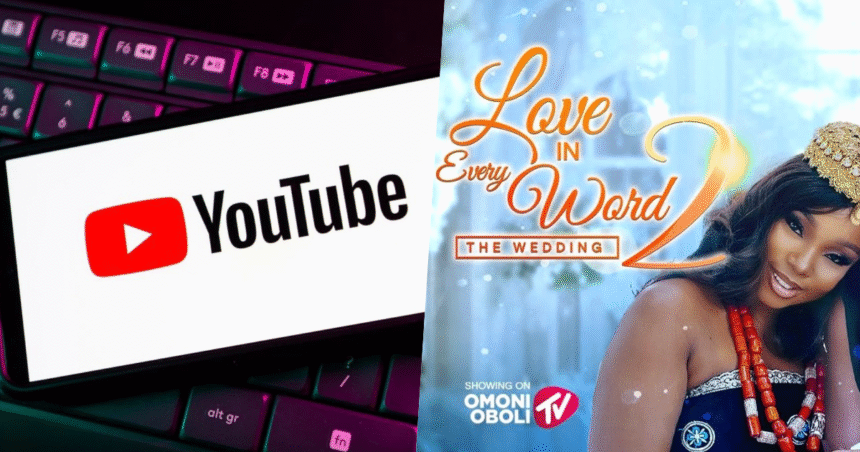
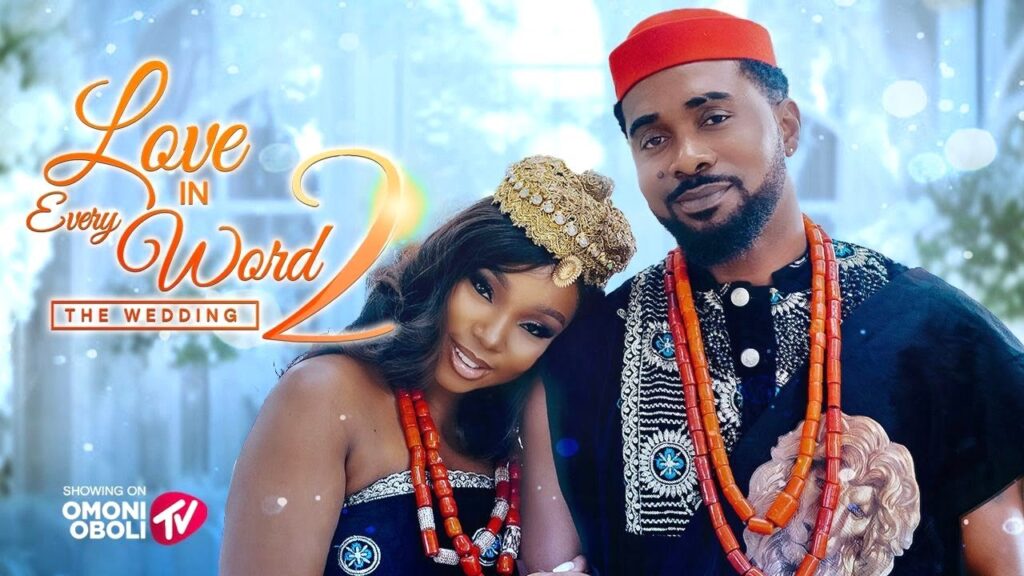
Nollywood used to be all about those crowded cinemas or pirated DVDs passed around markets. Now, it is flipping the script entirely. I remember growing up in Lagos, scrambling for the latest film on a scratched disc from some vendor in Idumota. Those days felt chaotic, but they built something huge. Fast forward to 2025, and YouTube has turned everything upside down. It is not just a side gig anymore. It is the main stage. Take Omoni Oboli’s Love in Every Word. That film dropped on her YouTube channel in March 2025 and racked up over 31 million views in months. Part two followed in October, hitting 18 million views quickly. Numbers like that do not lie. They scream change.
I am not exaggerating when I say this shift feels personal. As someone who has followed Nigerian films since the early 2000s, seeing creators bypass traditional gates and go straight to viewers excites me. No more begging distributors or fighting for screen time in cinemas that charge an arm and a leg. YouTube lets anyone with a camera and a story reach millions for free. That is democratization in action. It levels the field, or at least tries to. Traditional cinema, with its high production costs and limited releases, is getting challenged hard. Why spend millions on theater runs when you can upload and let algorithms do the work? In 2025, Nigerian movies on YouTube generated hundreds of millions of views, pulling in global audiences and real cash through ads.
Nollywood started in the 1990s as a scrappy, video-based industry. Films were shot on low budgets, often straight to VHS. It grew into the world’s second-largest film producer by volume, behind only Bollywood. But distribution was always the bottleneck. Cinemas were few, piracy rampant, and reaching audiences meant relying on informal networks. Enter YouTube around the mid-2010s. At first, it was for clips or old films. Then, filmmakers realized the potential. By 2025, channels like Omoni Oboli TV had become powerhouses, with her releasing over 30 movies in a single year, each pulling in millions of views. Her strategy? Consistent uploads, engaging stories, and direct fan interaction. It is smart, and it pays off. Estimates show top Nollywood YouTube channels earn between $459 and $356 monthly, but for big hits, it scales up fast.
YouTube
This is not just about views. It is about money. Traditional cinema relies on box office tickets, which in Nigeria can be unpredictable. A film might gross well in Lagos but flop elsewhere due to economic pressures. YouTube flips that. Revenue comes from ads, sponsorships, and super chats. One report pegs Nigerian movie YouTube earnings at over $700,000 for top titles, using average CPM rates. Projections for 2025 pushed totals toward $200 million from YouTube alone. That is serious. Producers like Uchenna Mbunabo and Itele are topping creator lists, showing how the platform rewards volume and engagement. I think this model empowers smaller creators too. You do not need A-list backing. Just a solid script and marketing savvy.
But here is where it gets interesting. This free-to-watch setup is creating a new breed of stars. Digital movie stars, I call them. People like Maurice Sam, Chidi Dike, and Uche Sonia rose through YouTube films. They are not the old guard from cinema hits. These are actors who build followings through consistent roles in series or features uploaded weekly. Fans comment, share, and even influence plots. It is interactive, almost like reality TV meets drama. Omoni Oboli herself has become a digital mogul, crowned YouTube’s top creator in Nigeria for 2025 with her prolific output. Her films, like Love in Every Word, not only hit view milestones but sparked trends, with over 70,000 comments and nearly half a million likes.
I have to admit, this excites me more than traditional setups. Why? Because it breaks monopolies. In the old days, a few big producers controlled what got made. Now, anyone can upload. Yoruba filmmakers, for instance, are reclaiming space through platforms like this, telling stories that resonate globally. Igbo-led films dominated early Nollywood, but YouTube opens doors for diverse voices. Think about it. Films like Aki and Pawpaw still hold records with 60 million views, but new entries from various regions are catching up. This diversity enriches the industry. It is not perfect, though. Some criticize the quality drop, with rushed scripts and overused actors. I see that point. Volume can sacrifice depth.
Still, the challenge to traditional cinema is real. Streaming giants pulled back in 2025, leaving filmmakers to pivot to YouTube en masse. Why? Accessibility. Nigerians prefer free content amid economic woes. Subscription models like Netflix struggle here, so YouTube’s ad-supported free viewing wins. Cinemas face empty seats, while online views soar. Producers like Deyemi Okanlawon explain the shift: lower risks, direct revenue. For 2026, I predict more A-list names going YouTube-first. Why battle theater politics when you can own your channel?
Let me share a quick thought. Last year, I binged a series on Biodun Stephen’s channel. It was raw, relatable, about everyday struggles in Lagos. No big budgets, but it hooked me. That is the power. YouTube allows stories that cinemas might skip for being too niche. Democratization means more voices, more representation. Women directors like Oboli lead the charge, proving gender barriers crumble online. Her 36 films in 2025? Ambitious, but it worked, topping searches and lists.
Critics say this floods the market with subpar content. Fair. Algorithms favor sensationalism, burying thoughtful films. Only top 0.1 percent thrive. But that pressure pushes innovation. Filmmakers learn SEO, fan engagement. Oboli’s behind-the-scenes clips for Love in Every Word 2 built hype, hitting 16 million views fast. It is business savvy mixed with creativity.
Looking at data, Nollywood’s highest earners shifted. Cinema hits like those from 2024-2025 grossed big, but YouTube channels like NOLLYWOOD ONLINE MOVIES saw daily view jumps, earning steady. Actors earn differently too. Top 15 Nollywood stars on YouTube in 2025 made serious money. Digital stars command fees based on subscriber pull, not just fame.
For 2026, expect hybrid models. Some films might premiere on YouTube then hit cinemas, or vice versa. Predictions point to bolder moves, with producers like Chinaza Onuzo eyeing growth. Global reach expands. Films dubbed for French-speaking Africa boost views. I believe this sustains Nollywood’s edge.
Challenges remain. Copyright issues plagued Oboli’s film briefly in 2025. Piracy evolves online. But tools like YouTube’s Content ID help. Plus, community building strengthens loyalty. Fans rallied for Love in Every Word’s return, pushing it to 13 million views post-reinstatement.
In my view, this is progress. Nollywood was always about hustle. YouTube amplifies that. It creates jobs, from editors to marketers. Young talents emerge without gatekeepers. Series like those on Ruth Kadiri’s channel show ongoing narratives work well online.
Weave in cultural impacts. Films preserve traditions, like Yoruba epics or Igbo comedies. YouTube spreads them worldwide, countering Hollywood dominance.
Economic angles matter. With Nigeria’s inflation, free viewing keeps entertainment accessible. Ads generate revenue without viewer costs. Partnerships with telcos could zero-rate data, boosting access.
New stars like Bam Bam in Oboli’s films blend reality TV fame with acting. They attract younger demographics. Influencers cross over, like Brain Jotter topping lists.
Sustainability questions arise. Burnout from weekly releases? Oboli paused filming to celebrate milestones. Balance is key.
Visual effects and storytelling evolve too. Platforms encourage experimentation.
Ultimately, this democratization reshapes Nollywood. It is vibrant, and full of potential. I am optimistic for 2026. More stories, more stars, more reach.