




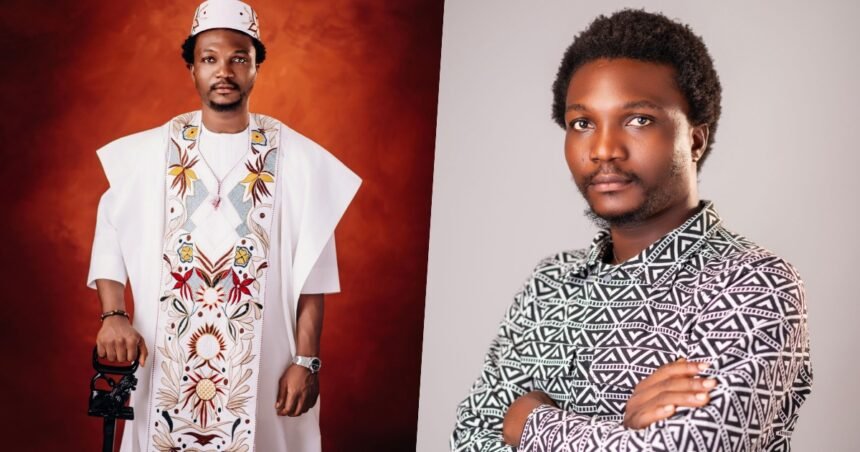
For award-winning filmmaker, actor, and producer Demola Yusuf, success is no longer measured by personal achievements alone. It is also about creating opportunities for others and building an industry where talented people can pursue their dreams without leaving their communities.
Born in Offa and raised in Ilorin, Kwara State, Yusuf’s journey into entertainment began with a childhood fascination for music, television, and performance. He later explored music professionally before finding his place in acting and film production. His journey took him from university theatre productions to auditions in Lagos, where he experienced firsthand the challenges of establishing a career in Nigeria’s entertainment industry.
His breakthrough came with Alaise, his debut feature production in 2021. The film won Best Indigenous Language Movie (Yoruba) at the 2022 Africa Magic Viewers’ Choice Awards (AMVCA) and received three nominations at the Africa Movie Academy Awards (AMAA). His growing body of work also includes productions such as Tinsel, Iboju and Kukoyi.
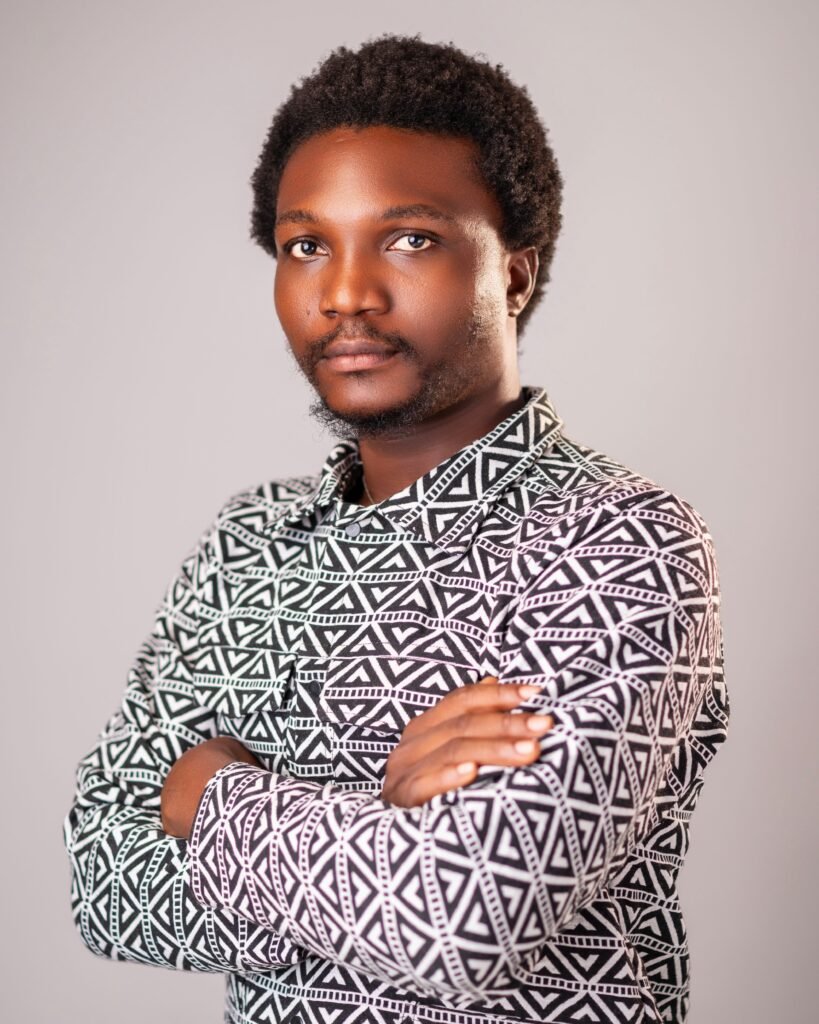
But Yusuf’s ambitions extend beyond the screen. Through Film Kwara, an initiative he founded to connect and develop creative professionals, he hopes to transform Kwara State into a thriving destination for filmmaking. His vision is to build an organised creative industry that attracts investment, supports emerging talent and creates sustainable employment opportunities.
In this exclusive interview with Nollywood Life Magazine’s Executive Editor, Akintoye Mayowa, Demola Yusuf reflects on his journey from music to filmmaking, the struggles behind his achievements, the success of Alaise, and his determination to build a sustainable film industry in Kwara State.
Could you tell us more about yourself, your background, and the experiences that have shaped the person you are today?
My name is Yusuf Ademola Idris, popularly known as Demola Yusuf. I am an actor, filmmaker, film producer, and creative entrepreneur from Kwara State. I was born in Offa but grew up largely in Ilorin, which I consider home. I attended Unique Nursery and Primary School, AbdulAziz Attah Memorial School, St. Anthony’s Secondary School, and eventually the University of Ilorin, where I studied English.
I think my interest in entertainment and creative expression started quite early in life. As a child, I was particularly fascinated by television, music, drama and performance. I remember being more interested in participating in cultural dance and drama groups than playing football with other children in school. I tried football, of course, but I realised quite early that I wasn’t particularly gifted in that area. I found more fulfilment in creative activities, so I naturally gravitated towards them.
I loved singing, acting, miming, and generally being involved in anything that allowed me to express myself. I was fascinated by television and the people who appeared on it. I also had opportunities to participate in entertainment activities, including NTA Ilorin’s Critical Factor, and later became a contestant on Global Heroes, the first reality television show in Kwara State in 2011.
Looking back, I think those childhood experiences were significant because they allowed me to discover an interest that I would eventually pursue professionally.
My journey has taken me through different creative expressions. I explored music, experimented with entertainment, and eventually found my way into acting and filmmaking. I also work in public service, and that experience has given me a different perspective on people, institutions, and the importance of development.
How did your journey into the film and creative industry begin? Was filmmaking something you always envisioned pursuing, or did life lead you in an unexpected direction?
Interestingly, filmmaking wasn’t where my creative journey began. I started with music around 2009 and became actively involved in entertainment during my university years. In 2012, I released my debut single, Sexy Lady, under the name Demola O’Neill, which was featured on the entertainment blog olorisupergal.
I also participated in university theatre productions, which strengthened my passion for acting and storytelling. After graduating in 2013, I moved to Lagos for my National Youth Service and began attending auditions. I eventually worked on productions associated with Kunle Afod and appeared in Tinsel, an Africa Magic production.
For about five years, I travelled between Lagos and Ilorin, pursuing acting opportunities. Eventually, I realised I wanted to create opportunities rather than simply wait for them.
This led to Alaise in 2021, my debut feature production, where I served as executive producer, co-producer, and supporting lead actor. The film won Best Indigenous Language Movie (Yoruba) at the 2022 AMVCA and earned three AMAA nominations.
So, filmmaking wasn’t necessarily the original plan. It was an evolution of an interest that had existed in different forms throughout my life. Music introduced me to one aspect of the entertainment business, acting gave me a deeper appreciation of performance, and production allowed me to participate in building the entire creative experience.
What personal experiences, challenges, or encounters have had the greatest influence on your journey so far, and how have they shaped your perspective on the Nigerian film industry?
My experiences as an actor, producer, and production coordinator have given me a practical understanding of the Nigerian film industry. After NYSC, I travelled between Ilorin and Lagos, attending auditions and struggling to establish myself with limited resources and connections.
Those challenges taught me to create opportunities rather than wait for them, a mindset that inspired Alaise. Working on productions such as Tinsel, Iboju and Kukoyi, where I also served as production coordinator, broadened my understanding of filmmaking and its organisational demands.
I have learnt that talent alone cannot sustain an industry. Funding, infrastructure, distribution and professional development are equally important. Nigeria has incredible talent, but we need stronger structures to nurture it and create sustainable opportunities, particularly outside established filmmaking centres.
Building something meaningful often comes with sacrifices and difficult decisions. What has been your most challenging experience in pursuing your vision, and what did it teach you about yourself?
I would say one of my greatest challenges has been trying to pursue a creative vision while dealing with the realities of everyday life and limited resources. I have had to make difficult decisions about time, finances, personal ambitions, and professional responsibilities.
There was a period when I was trying to establish myself as an actor, but the opportunities were not coming as consistently as I wanted. Rather than abandon the industry, I started thinking about how I could become more involved in creating projects.
That transition wasn’t necessarily easy. Producing a film requires a different level of commitment. You are not just responsible for your individual performance; you become involved in the overall success or failure of a project.
My experience producing Alaise with limited resources, alongside the responsibilities of building Film Kwara, has taught me that bringing a vision to life requires patience, discipline, trust, and meaningful collaboration.
Beyond your professional ambitions, what values or personal beliefs guide the decisions you make and the way you approach your work?
I believe in integrity, humility, authenticity, and making meaningful contributions beyond personal achievements. I value respect, collaboration, and continuous learning, knowing that success is not built alone.
I believe people should be treated with respect, irrespective of their current status or influence. I have also learnt that you don’t have to be the loudest person in the room to make an impact.
Ultimately, I want my work to reflect my values, create opportunities for others, and leave a lasting positive legacy.
Many people see the results of a person’s work without knowing the struggles behind them. What is one part of your journey that you wish more people understood?
I wish people understood that my journey has been years of learning, setbacks, and perseverance. Long before becoming an AMVCA-winning filmmaker, I was a young boy passionate about drama, a student exploring music and an aspiring actor travelling between Lagos and Ilorin in search of opportunities.
Behind the achievements were financial struggles, disappointments, and difficult decisions. I’ve learnt that progress isn’t always straightforward, and success rarely happens overnight. Every experience has shaped who I am today, and my journey is still unfolding.
When you look back on your journey so far, what achievement are you most proud of, and what do you still hope to accomplish, both personally and professionally?
Winning the AMVCA with Alaise, my debut feature film, remains one of my proudest achievements, especially considering our limited resources. Its three AMAA nominations and the 2026 AMVCA nomination for Kukoyi were equally rewarding milestones.
However, my definition of success has evolved beyond personal recognition. I hope to build Idirissou Entertainment Empire into a respected production company and, through Film Kwara, create lasting opportunities for emerging talents.
What inspired you to establish Film Kwara, and what specific gap in Kwara State’s film industry did you believe needed to be addressed? What is the bigger vision you hope to achieve through the initiative?
Film Kwara was inspired by my concern about the state of the film industry in Kwara State. Having worked in Nollywood, I recognised that although Kwara has produced talented actors, filmmakers, writers and other creative professionals, we lacked an organised ecosystem to connect, develop and support them.
Many practitioners worked independently or sought opportunities outside the state, while available creative resources remained underutilised. This inspired me to establish Film Kwara as a platform for collaboration, professional development, training, mentorship and the promotion of local stories.
My vision goes beyond creating another association that organises meetings and events. I want Film Kwara to become a functional ecosystem where creatives can develop projects, access opportunities, and contribute to the creative economy.
Ultimately, I want to see more quality productions, meaningful employment, and Kwara stories reaching wider audiences. We must move from having talented individuals scattered across the state to building an organised industry that supports their ambitions.
Kwara State has talented creatives, distinctive locations, and cultural stories that could appeal to wider audiences. In your view, what is currently preventing the state from becoming a major filmmaking destination, and what practical steps must be taken to attract bigger productions, investment, and industry opportunities to Kwara?
One of our biggest challenges is organising Kwara’s creative potential into a thriving film industry. Talent alone is not enough. We need skilled professionals, production facilities, logistics, investment, and stronger collaboration.
Kwara already has valuable assets, including the Sugar Factory Film Studios and the Institute of Contemporary African Art and Film, but these facilities must be actively utilised through training, productions and partnerships.
Film Kwara aims to connect practitioners, attract investment and promote our cultural identity and filming locations. I believe Kwara has what it takes to become a major filmmaking destination. What we need is better organisation, investment and a deliberate commitment to developing the ecosystem.
Looking ahead, what concrete impact do you want Film Kwara to have on filmmakers and the wider creative community in the next five years? What milestones would convince you that the initiative has genuinely transformed the film industry in Kwara State?
In the next five years, I want Film Kwara to have built a stronger, well-connected film community, attracting more productions, investment, and opportunities for local practitioners.
Our priorities include talent development through workshops, mentorship and masterclasses, promoting local stories and establishing sustainable industry partnerships.
For me, the greatest achievement would be seeing a young filmmaker in Ilorin, Offa or any part of Kwara build a sustainable career without leaving the state.
Ultimately, I want Film Kwara to be remembered not just for bringing filmmakers together, but for helping to organise, strengthen and reposition Kwara’s creative industry, creating opportunities that endure for generations.